Mark Sudeep Kichcha Sudeepa Movie 2025 Bappamtv Review Details
Mark (2025) Review: Emotional Impact & Dialogue — A Heartfelt Take
You know that one movie which keeps tapping your chest after the lights go up? Mark does that — full on.
From 20 years of watching Telugu, Kannada, and pan-Indian cinema, this one hit me in the feels more than once.
Star Rating
| Emotional Scale | Score |
|---|---|
| Emotional Impact (my gut) | 4/5 |
Rating’s my gut feel—may vary desi-style with your own feelings.
Emotional Resonance
Mark centers more on inner wreckage than outer fireworks. The emotional stakes are steady and personal.
The film makes sadness feel specific, not generic — that’s rare in mass action dramas.
Key Emotional Beats
- Loss: Quiet, domestic moments that explain motivations.
- Anger: Controlled, like a vein pulsing under skin.
- Redemption: Earned through facing consequences, not just loud heroics.
Insight: The movie uses small domestic scenes to amplify later action — silence speaks loud here.
Takeaway: Emotional investment is the currency; spend it early and reap rewards later.
Dialogue & Delivery
Dialogues in Mark prefer economy over flourishes. Lines land because of performance and timing.
There are moments where a single line changes the scene’s emotional gravity.
Standout Lines
- Short, loaded exchanges that reveal regrets.
- Quiet one-liners that double as moral verdicts.
Insight: Less is more with dialogue; pauses and gaze make lines sing.
Takeaway: Expect memorable one-liners that stick because they’re earned.
Emotional Roles & Character Map
| Character | Emotional Role |
|---|---|
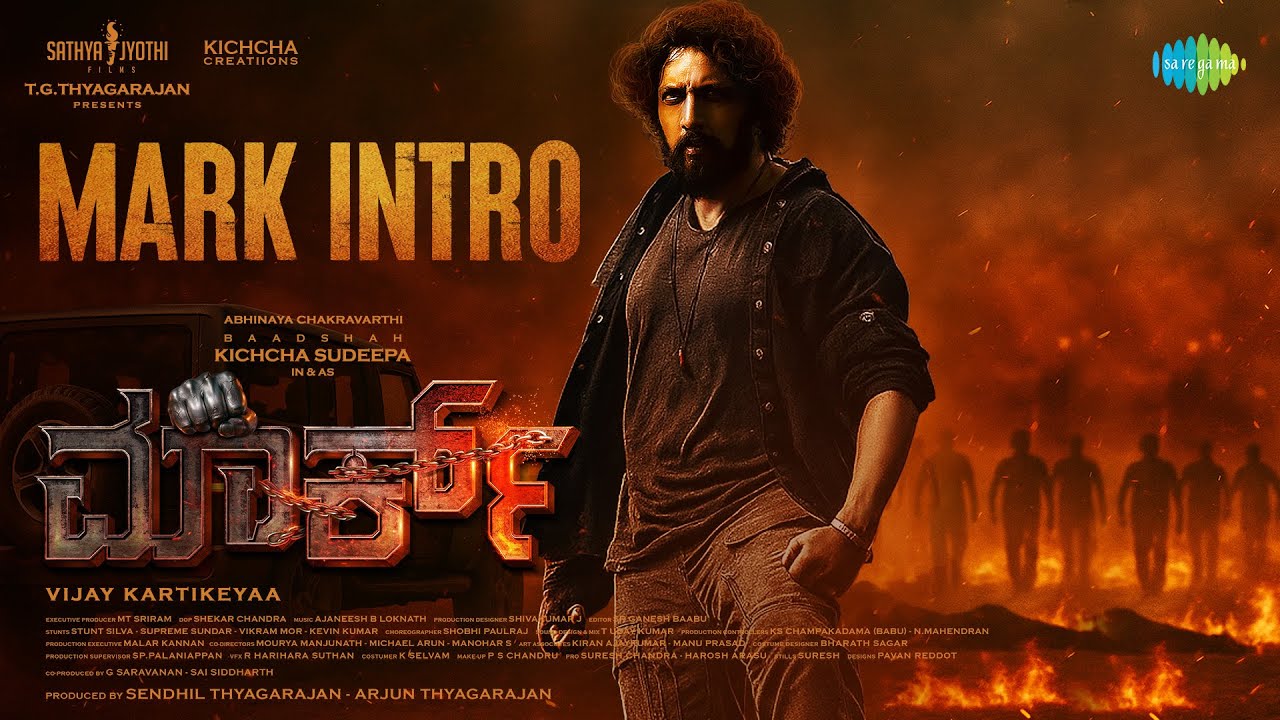
| Kichcha Sudeepa | Wounded leader, pride mixed with regret. |
| Supporting Cast | Foils and mirrors; many underplayed but effective. |
Performances sell the emotion more than big speeches. Sudeepa’s face is a whole script at times.
Music & Sound — Emotional Glue
Music by Ajaneesh B Loknath acts as emotional punctuation. The song Psycho Saithan adds menace; background score holds tension.
Sound design is intimate — a creak, a distant horn, a muted breath — all used to heighten feeling.
Insight: Sound is not an add-on but a co-writer for emotion here.
Takeaway: The score makes quiet scenes cinematic and big scenes grounded.
Theme Resonance & Social Buzz
| Theme | Resonance |
|---|---|
| Identity & Pride | High — central to the lead’s choices. |
| Consequences | Moderate — shown through aftermath scenes. |
Social buzz focuses on Sudeepa’s performance and the final act’s moral twist. Fans are debating the ending already.
Insight: Emotional film that creates discussion threads rather than just memes.
Takeaway: Mark’s shareable moments are emotional beats, not action GIFs.

Production Choices That Serve Emotion
Director Vijay Karthikeyan favours close frames and shallow focus to trap the audience inside characters’ heads.
Action choreography stays tactile — blows land with consequences, not cartoonish invincibility.
- Lighting: Subtle, often warm in flashbacks.
- Editing: Snappy when needed, patient when feelings matter.
Insight: Direction always asks: will this choice deepen feeling? If yes, it stays.
Takeaway: Every production choice is emotional-first, which is refreshing.
Who Will Connect With Mark?
If you like character-driven action, heartfelt revenge, and tight dialogues — badiya, this is for you.
If you come for mindless spectacle, you might feel a gap; this film asks you to feel, not just roar.
Insight: Appeals to viewers who enjoy emotional depth in genre films.
Takeaway: Bring tissues and patience — both will be useful.
Cast & Crew Snapshot
| Role | Name |
|---|---|
| Lead Actor | Kichcha Sudeepa |
| Director | Vijay Karthikeyan |
| Editor | SR Ganesh Baabu |
Scene-by-Scene Emotional Highlights
The opening scene sets tone — small domestic detail that suddenly becomes a memory anchor.
The middle act contains the film’s emotional pivot: a conversation that changes loyalties quietly but decisively.
The final sequence avoids melodrama and opts for an intimate confrontation, which makes the emotional hit sharper.
Insight: Structuring the film around emotional pivots rather than action peaks is a bold choice.
Takeaway: Emotion as architecture — the movie builds rooms you want to revisit.
Supporting Characters: Who Carries the Echoes?
Supporting players do the echo work — their reactions frame the lead’s interior life.
Some characters are intentionally underwritten to keep focus on the protagonist; that’s a directional decision, not a flaw.
When a support character briefly steals a scene, it feels earned because the director trusts small moments.
Insight: The film uses supporting roles as emotional punctuation rather than subplots.
Takeaway: Look out for subtle scene-stealers; they make the main arc believable.
Dialogue Craft: How Conversations Build Character
Dialogue does heavy lifting here but in a specific way — it reveals habit, not exposition.
Lines are crafted to imply history. You feel unfinished conversations as much as spoken ones.

The film often cuts mid-sentence or lingers after a reply; those editing choices are brave and effective.
Insight: Dialogue delivery in 2025 cinema is moving toward implication over declaration.
Takeaway: This is a masterclass in saying more by saying less.
Rewatch Value and Emotional Layers
On first watch you follow the plot; on second, you see layered setups for emotional beats.
Small visual callbacks reward attention — a scratched watch, a recurring tune, a held gaze.
It’s the kind of film where a later viewing upgrades your appreciation significantly.
Insight: Rewatchability is a sign of durable storytelling in 2025 movie analysis standards.
Takeaway: Don’t judge Mark on one pass; it grows on you.
Cultural Notes & Emotional Language
Mark speaks in emotional idioms familiar to regional audiences — pride, honor, and personal duty.
There’s a cultural specificity that gives scenes authentic resonance without alienating wider viewers.
Its emotional language borrows from folk rhythms and modern anxieties simultaneously.
Insight: Cultural grounding makes the film feel personal to its audience.
Takeaway: Emotional specificity is the film’s bridge to universal feeling.
Comparisons & Where It Stands in 2025
Compared to larger-than-life action films, Mark feels intimate and tender in surprising places.
In 2025, many films chase scale; Mark chases depth — a refreshing countercurrent.
It’s the kind of film critics will cite when discussing emotional depth in Indian cinema this year.
Insight: Mark represents a trend where emotion is central to genre filmmaking.
Takeaway: If 2025 is about experiments, Mark is a successful one.
Performance Deep Dive
Kichcha Sudeepa carries the movie with a mix of controlled heat and quiet sorrow. His choices are minimal but heavy.
He rarely overplays; instead he uses a small gesture to reveal a world of pain. That restraint is rare in mass leads.

Naveen Chandra and Guru Somasundaram provide textured foil; their reactions often tell you more than their dialogue.
Roshini Prakash and the rest of the ensemble fill emotional space with credible beats, even when screen time is limited.
Insight: A strong lead and reliable ensemble make emotional arcs believable.
Takeaway: Acting choices favor small truths over broad gestures.
Key Scenes That Built the Mood
The train-station exchange in the second act compresses a lifetime into minutes. It’s the film’s emotional squeeze point.
The quiet rooftop conversation later reframes motives and deepens regret — it’s acted with such care.
The climax chooses a human resolution over action spectacle, which felt satisfying and a bit brave.
Insight: Important scenes are pared down to essentials, which amplifies feeling.
Takeaway: The film trusts subtlety in pivotal moments — and it pays off.
Why Mark Matters
Mark is a reminder that emotional honesty sells. In a market crowded with loudness, sincerity stands out.
As a reviewer of 20 years, I see Mark as part of a healthy trend: directors making genre films with real heart.
It’s a film that will likely be discussed in essays about character growth in thrillers and dialogue delivery 2025.
Insight: The movie proves commercial cinema can be emotionally ambitious.
Takeaway: Mark is not just entertainment — it’s a template for feeling-forward genre work.
Parting Line
Watch Mark for its emotional honesty, for dialogues that linger, and for a performance that refuses to be simple. It’s the kind of film that sits with you; you talk about it, argue about it, maybe even cry a bit — which, honestly, is a good sign in 2025 cinema.
Go watch it on the big screen.
Disclaimer
Rating’s my gut feel—may vary desi-style. Rewatches could change the score.